Thursday, June 2, 2011

Cassie reports on MY prostate!

This is a copy of a report Cassie uploaded to Bee's candida site. As my readers know, we are both on Bee's lo-2-no carb diet and have been for some time.

The load on a partner of a man with any sort of prostate problem, even benign hyperplasia like mine is big. They never know when we might go on to cancer, and the actual daily problem of bladder control can be frankly, a pain in the lower abdominal region.
~Ian


"My husband, 64 years, has been on this program for 12 months.


He has an enlarged prostate and a large kidney. About 6 months ago he had exploratory surgery because he was getting a pain in his kidney on urination. After surgery he urologist told him his enlarged kidney was 'congenital' and nothing could be done.

It was suggested that he had surgery on his prostate to help his urine stream and reduce frequency. The surgery basically bores out the insides of the prostate - which often leads to impotence. And after all that he would need more surgery in a few years time anyway.

Although the kidney pain is still there, his frequent urination and small stream from the enlarged prostate has hugely improved. He was getting up in the night up to 4 times. He is now only getting up once and sometimes not at all. During the day it was difficult going out as he would need to use a toilet very frequently. This is now not a problem.

I believe this has happened because his hormonal system has balanced out on this program.

I would like to mention also that he used to get a very bad back ache, which was crippling and would last for days. I took him off gluten several years ago and the bad back aches went away. But if he binges on gluten (which he has just done as we have been in France with the bread!) he experiences the back pain again.

He also says he has a fabulous sense of loving his food and eating less on this program."

Cassie Bond.

Ian: am I the lucky guy or what? I want to add that Cassie researched all of Bee's recommendations fully, and arrived at her own decisions based on her intensive study.

Get out of prostrate position and walk your prostate cancer away

Brisk walking - at a pace of three mph - may actually lower risk of disease progression and need for additional treatment. A study of 1,455 men who had localized prostate cancer was conducted from 2004 to 2009. Average age at diagnosis was 65. The study showed that men who walked three+ hours a week (hey, that's nothing!-Ian) at a brisk pace had a 57 percent lower risk of prostate cancer progression when compared to men who walked less or who walked more slowly. Participants reported their physical activity about 27 months after diagnosis to researchers from the Harvard School of Public Health and the University of California, San Francisco. The new analysis was published in the June 1st, 2011 issue of Cancer Research.

Seriously good, practical news for sufferers of prostate.

Some people say I'm crazy..

Washing all our vegetables in our lotus sanitizer may seem extreme to some. Because we buy the majority of our organic vegies at the local farmers' market, it's a 1/2 hr job weekly. And yes, I can't show people the effect, beyond a far better shelf life due to getting rid of bacteria on the surface of the vegies.. but when I see a report like this one from Europe then I am happy my lotus protects our family!

Hydrogen water on the brain is good for you

Another study I recently discovered found that consuming hydrogen-rich water may maintain proper brain function under conditions of physical stress. . You can read the complete scientific abstract below.


(Neuropsychopharmacology advance online publication 18 June 2008; doi: 10.1038/npp.2008.95)


Consumption of Molecular Hydrogen Prevents the Stress-Induced Impairments in Hippocampus-Dependent Learning Tasks during Chronic Physical Restraint in Mice


Kazufumi Nagata1, Naomi Nakashima-Kamimura1, Toshio Mikami2, Ikuroh Ohsawa1,3 and Shigeo Ohta1


1. Department of Biochemistry and Cell Biology, Institute of Development and Aging Sciences, Graduate School of Medicine, Nippon Medical School, Kawasaki, Japan
2. Department of Health and Sports Science, Nippon Medical School, Kawasaki, Japan
3. Center of Molecular Hydrogen Medicine, Institute of Development and Aging Sciences, Nippon Medical School, Kawasaki, Japan


Correspondence: Professor S Ohta, Department of Biochemistry and Cell Biology, Institute of Development and Aging Sciences, Graduate School of Medicine, Nippon Medical School, 1-396 Kosugi-cho, Nakahara-ku, Kawasaki 211-8533, Japan, Tel: +81 44 733 9267, Fax: +81 44 733 9268, E-mail: ohta@nms.ac.jp
Received 24 March 2008; Revised 19 May 2008; Accepted 23 May 2008; Published online 18 June 2008.


Abstract
We have reported that hydrogen (H2) acts as an efficient antioxidant by gaseous rapid diffusion. When water saturated with hydrogen (hydrogen water) was placed into the stomach of a rat, hydrogen was detected at several M level in blood. 


Because hydrogen gas is unsuitable for continuous consumption, we investigated using mice whether drinking hydrogen water ad libitum, instead of inhaling hydrogen gas, prevents cognitive impairment by reducing oxidative stress.
Chronic physical restraint stress to mice enhanced levels of oxidative stress markers, malondialdehyde and 4-hydroxy-2-nonenal, in the brain, and impaired learning and memory, as judged by three different methods: passive avoidance learning, object recognition task, and the Morris water maze. 

Consumption of hydrogen water ad libitum throughout the whole period suppressed the increase in the oxidative stress markers and prevented cognitive impairment, as judged by all three methods, whereas hydrogen water did not improve cognitive ability when no stress was provided. Neural proliferation in the dentate gyrus of the hippocampus was suppressed by restraint stress, as observed by 5-bromo-2'-deoxyuridine incorporation and Ki-67 immunostaining, proliferation markers. The consumption of hydrogen water ameliorated the reduced proliferation although the mechanistic link between the hydrogen-dependent changes in neurogenesis and cognitive impairments remains unclear. Thus, continuous consumption of hydrogen water reduces oxidative stress in the brain, and prevents the stress-induced decline in learning and memory caused by chronic physical restraint. Hydrogen water may be applicable for preventive use in cognitive or other neuronal disorders.

Parkinson's and Hydrogen-rich water

Good news. Now there is a study that has uncovered evidence that hydrogen-rich water is beneficial for those with Parkinson's Disease. Please click the link below to view the full study report.

Read the Full Report

Abstract

"It has been shown that molecular hydrogen (H2) acts as a therapeutic antioxidant and suppresses brain injury by buffering the effects of oxidative stress.

Chronic oxidative stress causes neurodegenerative diseases such as Parkinson's disease (PD). Here, we show that drinking H2-containing water significantly reduced the loss of dopaminergic neurons in PD model miceusing both acute and chronic administration of 1-methyl-4-phenyl-1,2,3,6-tetrahydropyridine (MPTP). The concentration dependency of H2 showed that H2 as low as 0.08 ppm had almost the same effect as saturated H2 water (1.5 ppm). MPTPinduced accumulation of cellular 8-oxoguanine (8-oxoG), a marker of DNA damage, and 4-hydroxynonenal (4-HNE), a marker of lipid peroxidation were significantly decreased in the nigro-striatal dopaminergic pathway in mice drinking H2-containing water, whereas production of superoxide (O2N2) detected by intravascular injection of dihydroethidium (DHE) was not reduced significantly. 

Our results indicated that low concentration of H2 in drinking water can reduce oxidative stress in the brain. Thus, drinking H2-containing water may be useful in daily life to prevent or minimize the risk of life stylerelated oxidative stress and neurodegeneration.

Saturday, May 7, 2011

Save your lungs. Smoke weed.


In what seems to be the most absurd anomaly, a new study shows that marijuana cuts tumor growth in common lung cancer in half and significantly reduces the ability of the cancer to spread, say researchers at Harvard University who tested the chemical in both lab and mouse studies.

This is the first set of experiments to show that the compound, Delta-tetrahydrocannabinol (THC), inhibits EGF-induced growth and migration in epidermal growth factor receptor (EGFR) expressing non-small cell lung cancer cell lines. Lung cancers that over-express EGFR are usually highly aggressive and resistant to chemotherapy.

THC that targets cannabinoid receptors CB1 and CB2 is similar in function to endocannabinoids, which are cannabinoids that are naturally produced in the body and activate these receptors. The researchers suggest that THC or other designer agents that activate these receptors might be used in a targeted fashion to treat lung cancer.

“The beauty of this study is that we are showing that a substance of abuse, if used prudently, may offer a new road to therapy against lung cancer,” said Anju Preet, Ph.D., a researcher in the Division of Experimental Medicine.

Acting through cannabinoid receptors CB1 and CB2, endocannabinoids (as well as THC) are thought to play a role in variety of biological functions, including pain and anxiety control, and inflammation. Although a medical derivative of THC, known as Marinol, has been approved for use as an appetite stimulant for cancer patients, and a small number of U.S. states allow use of medical marijuana to treat the same side effect, few studies have shown that THC might have anti-tumor activity, Preet says. The only clinical trial testing THC as a treatment against cancer growth was a recently completed British pilot study in human glioblastoma.

In the present study, the researchers first demonstrated that two different lung cancer cell lines as well as patient lung tumor samples express CB1 and CB2, and that non-toxic doses of THC inhibited growth and spread in the cell lines. “When the cells are pretreated with THC, they have less EGFR stimulated invasion as measured by various in-vitro assays,” Preet said.

Then, for three weeks, researchers injected standard doses of THC into mice that had been implanted with human lung cancer cells, and found that tumors were reduced in size and weight by about 50 percent in treated animals compared to a control group. There was also about a 60 percent reduction in cancer lesions on the lungs in these mice as well as a significant reduction in protein markers associated with cancer progression, Preet says.

Although the researchers do not know why THC inhibits tumor growth, they say the substance could be activating molecules that arrest the cell cycle. They speculate that THC may also interfere with angiogenesis and vascularization, which promotes cancer growth.

Preet says much work is needed to clarify the pathway by which THC functions, and cautions that some animal studies have shown that THC can stimulate some cancers. “THC offers some promise, but we have a long way to go before we know what its potential is,” she said.

So... SURELY they don't mean smoking it. Hash cookies, anyone?

Thursday, May 5, 2011

Even the goldfish are happy!

Had a  call from Richard this week about how he is using the 'by-product' acid water from his AlkaWay water ioniser, and how you can get into trouble with the neighbours. Seems Richard has found the acid water excellent to overcome Aphids and Black Spot on his vegies.  So there he was, spraying away with his acid water when his kids decided to be what kids are at times like that, and Richard squirted them with the acid water (VERY good for the skin). All good, except the neighbour saw him do it. 

Now think for a minute. You are the neighbour. You see Richard spraying his vegetables with what you assume is toxic pesticide fungicide or the like.

Suddenly he sprays his kids!

Richard also says his high alkaline water is just the thing for his goldfish. They apparently love it, and the glass in his aquarium doesn't get green mould any longer! Jo, our book keeper, on hearing this, said she was going home to try it with her pet goldies.

Richard, I hope you are right. We may lose the best book keeper we've ever had!


Friday, April 29, 2011

Bob Thomas, Super Athlete drinks ......................

This article about a seriously professional's hydration problems rings true. He looked at the Gatorade story and decided it just didn't ring true.

Now Bob Thomas drinks.....................
Water!

Organophosphates and Dumb Kids

Three independent studies published in the journal Environmental Health Perspectives, show that pregnant mums (Moms to my US friends) who ingest organophosphates before birth will have kids who are less intelligent.

Researchers tested the urine of pregnant women for traces of pesticide byproducts, called metabolites. Then after the children were born, the scientists tracked them as they grew — so far, up to the early grades of school.
"What we found is that mothers with higher levels of pesticide metabolites in their urine had children with lower IQs at age 7," says Brenda Eskenazi, a professor of epidemiology and of maternal and child health at the University of California, Berkeley.
Eskenazi says children whose mothers had the highest pesticide levels during pregnancy had IQs 7 points lower than those with little or no exposure.
"That's equivalent to a 7-year-old child performing like a 6 1/2-year old,"

This would certainly explain some observations I have made on people from certain agricultural areas. I thought they were just dumb. No, they were poison-dumb! 
Think about it. You live in a farmhouse. Your neighbour aerial sprays. Your home's roof is your water collector; it's also a massive poison concentrator as the overspray, windcarried, lands on your roof and is funnelled into your rainwater tank. Don't tell me you don't need a  water filter!

But it's not just country kids.
Scientists at Columbia University studied a specific pesticide named chlorpyrifos, which was found in many household products. Until 10 years ago, many people used the pesticide in the home to kill roaches and other pests — particularly in New York City, according to Virginia Rauh, professor of population and family health at Columbia.
Back then, researchers found it in nearly 100 percent of apartment air samples.
The scientists also measured levels of the pesticide in the umbilical cord blood of 265 children in low-income households. Rauh says those with the highest levels of the pesticide at birth scored measurably lower on tests of working memory and overall IQ when they were 7 years old.
At home we have worked hard and long to remove toxic cleaning products. I still remember my Mum exclaiming how wonderful all the new chemical products were; how much less work she had to do.. she died of cancer 30 years ago.

Thursday, April 28, 2011

Very interesting studies of alkaline ionised water with rats, pigs and fish

We get many studies of alkaline ionised water from the east. Unfortunately they are usually not in a form that is accepted by the hierarchy that accepts data as 'valid', meaning they are ignored by the establishment. The other reason is that water can't make the establishment money, and so there is no money for research in an accepted form in the West. These 3 studies from Korea using what they call bio-functional water are revealing. It's against the law for me to say more.
Check them out here.

Get fit, build muscle, beat cancer.

A new study, published in the journal Cancer Epidemiology, Biomarkers and Prevention, suggests building up muscle strength has anti-cancer benefits.
 

A team of experts, led by scientists from Sweden's Karolinska Institute, tracked the lifestyles of 8,677 men aged between 20 and 82 for more than two decades and researchers monitored how many developed cancer and subsequently died from it.

The results showed men who regularly worked out with weights and had the highest muscle strength were between 30 and 40 per cent less likely to lose their life to a deadly tumor. Even among volunteers who had excess tummy fat or a high body mass index, regular weight training seemed to have a protective effect.


This finding is profound - considering the fact that belly fat is metabolically active and correlated to hormone deposition.


So while there is no need to become Arnold Schwarzenegger, it is important to incorporate flexibility, strength training and aerobic movement into your daily routine.

Thursday, April 21, 2011

Don't EVER say that water can hydrate you again! It is VERBOTEN!

Everyone knows that drinking water prevents dehydration and maintains bodily performance... it’s basic common sense.

Or not?

Recently, two German professors stated the following in a proposal submitted to the EFSA: “regular consumption of significant amounts of water can reduce the risk of development of dehydration and of concomitant [subsequent] decrease of performance”.

Nothing wrong with that, right?

Unless you happen to be one of the mad scientists at the EFSA that is. According to them, it’s a disease-specific health claim, and much as drinking more water will reduce the risk of developing dehydration, this is simply a measure of water depletion and not of avoiding disease risk.

Yep, the highly educated scientists working at the EFSA said with a straight face, “the proposed claim does not comply with the requirements for a disease risk reduction claim”. By doing so they have branded one of the most fundamental truths on our planet as unspeakable, because under the guidelines of these new laws no one is allowed to make any false health claims about any products — whether it is a herb, supplement or food!

Wednesday, April 20, 2011

Eat your heart out!


Two years ago Cassie and I joined W.W.O.O.F.-ERS (Willing Workers On Organic Farms) and hooked up with a lovely lady in Umbria on her smallholding consisting of fruit and olive trees, 9 chickens, 7 cats and an old dog called Max. We spent two weeks at Heidi's farm, called Paradiso Integrale. It's in Umbria, just an hour from Roma and the airport, and overlooks a huge, beautiful valley, through which the river Tiber flows. We would sit with a Limoncello and watch the sun set over medieval castles, snowcapped mounts and olive groves. Really, really hard to take.

We used her farm as a base from which to tour, thus avoiding all the hassles of nightly accomodation-finding. The gorgeous Orvieto, Marlena Di Blasi's home is just up the Autostrada, the local village, Otricoli, is an unspoilt medieval style village. As you walk the streets you can spot pieces of Roman carving on the stones used to built the walls of the houses. Its history goes all the way back to Etruscan times.

St. Francis' Assisi is about an hour away...You can even drive down to the terminus of the treno rapido a Roma - the fast urban train that will drop you into the centro of Bella Roma.

We are returning to Paradiso Integrale on the 19th of next month (May).

Heidi runs her property as an Agriturismo, meaning she has accomodation, but frankly, she's not  a business tyro - more the creative type of person.. so we'll be helping her out with a better website and more. She speaks good English, German and Italian, knows Roma and the area around her farm like the back of her hand, so she's a very handy person to know when finding your way around.

I should also mention that Heidi is an internationally known voice therapist and teaches many budding singers to overcome their blockages.
Here's her website. If you use Google Chrome you can translate it easily.

..and here's Max: 'Il Vecchio Cane' (the old dog), starring in a little video we did last time we visited. Gives you a good idea of the place and its serenity.
.

Friday, April 15, 2011

Alzheimers Drug found ineffective..but...

Reuters report that a commonly prescribed Alzheimer's drug had no effect in treating patients with a mild form of the disease, U.S. researchers said on Monday. Sold under the brand Namenda by Forest Laboratories Inc and Germany's Merz Pharma, the drug had U.S. sales of about $1.2 Billion last year.

For the study, researchers culled through published studies, presentations at medical meetings and other sources to find studies that looked at the effectiveness of the drug memantine, Namenda's generic form, in patients with mild Alzheimer's disease.

They found that Memantine worked no better than a dummy pill at treating the disease.

Memantine is one of the few approved drugs to treat Alzheimer's disease, which affects 26 million people globally. And there are currently no drugs that can keep the disease from progressing.

Memantine is intended to treat moderate to severe Alzheimer's, but it is frequently used in mild Alzheimer's patients "off-label" -- for uses other than those approved by the FDA -- either alone or in combination with a drug known as a cholinesterase inhibitor.

Which brings me to this video... our contribution to the debate.... 

Here is Dr Newport's Video

Wednesday, April 13, 2011

Monday, April 11, 2011

The Seychelle Man

Here's an interview with the managing director of Seychelle Water, who make our Fill2Pure bottles. Quite an amazing man, who seems to have made his fortune by inventing excellent water filters and then getting bought out by the big guns. His water filter technology on our portables is nothing short of amazing.

Sunday, April 10, 2011

Going to India anytime soon?


I'd be very, very careful with my water supply. (As an aside, my late wife suffered for 20 years from stomach bugs picked up in India).


NEW DELHI, India — Bacteria carrying a gene that makes them highly resistant to antibiotics have been detected in New Delhi’s drinking water, Reuters reported.

The gene, known as metallo-beta-lactamase 1 or NDM 1, creates “superbugs” that are resistant to almost all known antibiotics, the article stated.

Researchers from Britain’s Cardiff University School of Medicine collected swabs from public tap water supplies and seepage water around the city, finding the NDM 1 gene in two of the drinking water samples and 51 seepage samples, according to the story.

We would expect that perhaps as many as half a million people are carrying NDM 1-producing bacteria as normal (gut) flora in New Dehli alone,” said Mark Toleman, one of the researchers.

My answer here

Friday, April 8, 2011

The Girl who couldn't shut her mouth

The Foundational Tenets of Alkaline Philosophy

I was asked this question this week;exactly what am I trying to achieve?
Good question...

Here's my response:
Fundamentals of Alkaline Philosophy.
If we...
1. create a change in a  person's pH towards alkalinity...
2. Reduce the oxidation load on the body..
3. Increase mineral balance within the cells..

..the body has the power to resist anything.

No, it's not mine. It's the essential theory of Dr William Rau, MD

Thursday, April 7, 2011

Did you know?

Blood with a pH value of 7.45 contains 64.9% more oxygen that blood with a pH of 7.3

Many roads, same destination

Had a wonderful talk with Steve this morning; me sitting at home sipping my liquorice tea, Steve on a  'layover' in Tokyo. Skype is truly amazing, don't you think?

Steve is a 'triple seven' pilot. The big ones. He's also a total alkaline water convert after buying a Melody some time ago. 

But that's not why we were talking. Steve and his wife are seriously into vitality. His wife first alerted Steve to acidity in a rather unusual way. As a dental hygienicist, she began to see a direct relationship between gum health and acidic patients. Patient after patient presented to her with inflamed gums were obviously acidic. 

It's not hard to tell; flushed, over emotional, bad skin.. there are many signs. She recommended they changed to a toothpaste with bicarb for their gums, (Arm and Hammer Dental Care) but talking to Steve, she discussed the bigger problem; the elephant in the room; the ongoing acidic diet of these people that was behind the problem in the first place.

I don't know if you know much about life in the sky. Airline pilots may just have the unhealthiest job on earth - or above earth. Lack of exercise is only one thing. The constant pressure changes, the dehydration, the radiation... they seriously earn their money! Management have recently even warned them against drinking water in many big ports of call. 

So Steve would really miss his Melody alkaline water in the many hours in the sky. He also realised that his fellow skybirds must be in the same situation, so he's writing an article on dehydration and alkaline balance for the international aircrews magazine, recommending our Fill2Pure with the AlkaSachet. It just makes sense. At 40000 feet or on the ground, being able to access superbly filtered alkaline ionized water for around 2c a litre; what a gift!

Wednesday, April 6, 2011

I keep telling people....

...that our coco oil is great for Alzheimers', so this ACA TV piece will probably save many more people like me.

So just to help newcomers to coco oil, we're selling it in 6-packs. Save heaps on fright.

'Osmolarity' and Reverse Osmosis


At my last visit my doctor (yes, the one with the water alkalizer) told me that it was incredibly important to have sufficient 'osmolarity' in your drinking water.

We were discussing the importance of trace minerals at the time, and he made the point that the osmolarity of our water was extremely important. Not wanting to appear stupid, I agreed, and rushed home to Google 'osmolarity'.

To cut a long story short (and it is a long story) the need for osmolarity is another way of saying you need minerals at a certain level in your drinking water.


Cassie and I discussed it as we were preparing dinner, and Cassie suggested I look up the relationship between reverse osmosis and osmolarity. She thought there was a common root to the word - so a search might teach us something.

So I did. I searched on '
reverse osmosis and osmolarity' and we found something extremely interesting right here. It appears that according to "Introduction to General, Organic and Biochemistry" By Frederick A. Bettelheim, William H. Brown, Mary K. Campbell, and Shawn O. Farrell, distilled water can have a profoundly bad effect on red blood cells. here's a pic to demonstrate.

Now here's the big news, direct from the Professors' pen:

"What would happen if we suspended red blood cells in distilled water instead of in plasma? Inside the red blood cells the osmolarity is approximately the same as in a physiological saline solution - .30 osmol.  Distilled water has ZERO OSMOLARITY (Ian's). As a consequence, water flows into the red blood cells. The volume of the cells increases, and as they swell.... the membrane cannot resist the osmotic pressure and the red cells eventually burst, spilling their contents into the water. We call this process hemolysis."

So where does this leave you with regard to your drinking water?
Obviously you are not simply dumping your red blood cells into your drinking water, but you are actually dumping at least some of your drinking water into your blood. After all, blood is mostly water. So dumping zero osmolarity water into the blood cannot be a healthy practice, and both distilled water and pure Reverse osmosis water have zero osmolarity. 


Dr Zoltan Rona wrote an article some time ago on the hazards of distilled water, saying that it has the ability to dilute your body's ratio of minerals to fluid. This adds more light to the subject, reveals another potential effect, and shows that zero osmolarity water, while pure, is NOT what our body wants.

(Yes, we do sell the AlkaPure, a Reverse Osmosis system, but we've added an alkaline mineral cartridge after the RO process to remineralise and therefore 're-osmolise' the water.)

Fluoride and Brain Damage

You might think of fluoridated water as a good thing—after all, this organic compound is added to our drinking supply for a reason, right?

Video at bottom of this article


Unfortunately, however, the bigger picture isn’t quite so clear: Although water fluoridation has been standard practice since 1945, new research suggests that using it on your teeth might also come with more than one dangerous consequence—especially where your brain is concerned.1


Rodent studies show that fluoride exposure can cause free radical damage to DNA molecules and cells in areas of the brain that are essential for cognition, as well as structural brain changes and phospholipid decreases that correlate to impaired learning ability.2-4 

Even more research has shown that fluoride elevates the activity of acetylcholinesterase—an enzyme that breaks down the critical memory-related neurotransmitter acetylcholine—while also altering levels of a number of other neurotransmitters (including dopamine, noradrenaline and serotonin) that play a role in your brain’s recall ability.5-6

Scientists speculate that the reason for fluoride’s negative effects on the brain traces back to its role in oxidative damage. As it turns out, even low levels of exposure over a period of 10 weeks can increase free radical loads and sap stores of the crucial antioxidant glutathione, along with other key antioxidant enzymes, including catalase and superoxide dismutase.7-8

What’s worse, increased fluoride intake may have a direct effect on IQ scores—especially among children. Research indicates that elevated urinary fluoride levels are associated with poorer verbal and performance evaluations in this age group, indicating that increased intake of this compound may have a startlingly negative impact on childhood intelligence development.9-10 In fact, in areas with higher levels of fluoride in drinking water, there is as much as five times the risk of developing a low IQ than in low-fluoride areas.11 But even at these lower levels, research has revealed that fluoride in water can have a significant impact on intelligence quotients.12

In Australia, fluoride levels are mandated at 1ppm of our drinking water, while Canada has already reduced their safe level to .7ppm.

So what can you do to keep fluoride out of your body?

Well, keeping it out of your water with the help of an Alkaway water system is a good place to start—but also, several natural compounds have been shown to counteract fluoride’s effects, too. Animal research shows that melatonin (available as a daily supplement from VRP) can reduce markers of oxidative stress while enhancing the brain’s antioxidant enzyme activity and glutathione levels.13-14


Supplementation with iodine has also been shown to support brain health—low levels of this mineral are linked to low IQ risk in children—while facilitating urinary fluoride excretion.15-17 Meanwhile, the B vitamins riboflavin and niacin (both found in VRP’s formula called ATP Cofactors) work in combination to promote maximum iodine absorption and minimum fluoride retention.18


References:

1. Environmental Health Criteria 227: Fluorides. World Health Organization, 2002, Available at: http://www.inchem.org/documents/ehc/ehc/ehc227.htm#5.0. Accessed on: 1-22-10.

2. Chen J, Chen X, Yang K, et al. Studies on DNA damage and apoptosis in rat brain induced by fluoride. Zhonghua Yu Fang Yi Xue Za Zhi. 2002 Jul;36(4):222-4.

3. Zhang Z, Xu X, Shen X, et al. Effect of fluoride exposure on synaptic structure of brain areas related to learning-memory in mice. Wei Sheng Yan Jiu. 1999 Jul;28(4):210-2.

4. Guan ZZ, Wang YN, Xiao KQ, et al. Influence of chronic fluorosis on membrane lipids in rat brain. Neurotoxicol Teratol. 1998 Sep-Oct;20(5):537-42.

5. Zhao XL, Wu JH. Actions of sodium fluoride on acetylcholinesterase activities in rats. Biomed Environ Sci. 1998 Mar;11(1):1-6.

6. Pereira M, Dombrowski PA, Losso EM, et al. Memory impairment induced by sodium fluoride is associated with changes in brain monoamine levels. Neurotox Res. 2011 Jan;19(1):55-62.

7. Chouhan S, Flora SJ. Effects of fluoride on the tissue oxidative stress and apoptosis in rats: biochemical assays supported by IR spectroscopy data. Toxicology. 2008 Dec 5;254(1-2):61-7.

8. Basha PM, Rai P, Begum S. Evaluation of Fluoride-Induced Oxidative Stress in Rat Brain: A Multigeneration Study. Biol Trace Elem Res. 2010 Jul 24. Published Online Ahead of Print.

9. Rocha-Amador D, Navarro ME, Carrizales L, et al. Decreased intelligence in children and exposure to fluoride and arsenic in drinking water. Cad Saude Publica. 2007;23 Suppl 4:S579-87.

10. Liu M, Qian C. Effect of endemic fluorosis on children’s intelligence development: a Meta analysis. Zhongguo Dang Dai Er Ke Za Zhi. 2008 Dec;10(6):723-5.

11. Tang QQ, Du J, Ma HH, et al. Fluoride and children’s intelligence: a meta-analysis. Biol Trace Elem Res. 2008 Winter;126(1-3):115-20.

12. Ding Y, Yanhuigao, Sun H, et al. The relationships between low levels of urine fluoride on children’s intelligence, dental fluorosis in endemic fluorosis areas in Hulunbuir, Inner Mongolia, China. J Hazard Mater. 2010 Dec 25. Published Online Ahead of Print.

13. Pant HH, Rao MV. Evaluation of in vitro anti-genotoxic potential of melatonin against arsenic and fluoride in human blood cultures. Ecotoxicol Environ Saf. 2010 Sep;73(6):1333-7.

14. Bharti VK, Srivastava RS. Fluoride-induced oxidative stress in rat’s brain and its amelioration by buffalo (Bubalus bubalis) pineal proteins and melatonin. Biol Trace Elem Res. 2009 Aug;130(2):131-40.

15. Santiago-Fernandez P, Torres-Barahona R, Muela-Martinez JA, et al. Intelligence quotient and iodine intake: a cross-sectional study in children. J Clin Endocrinol Metab. 2004 Aug;89(8):3851-7.

16. Qian M, Wang D, Watkins WE, et al. The effects of iodine on intelligence in children: a meta-analysis of studies conducted in China. Asia Pac J Clin Nutr. 2005;14(1):32-42.

17. Abraham GE. Iodine Supplementation Markedly Increases Urinary Excretion of Fluoride and Bromide. Townsend Letter, 2003;238:108-109.

18. Stookey GK. Influence of riboflavin on fluoride metabolism in the rat. J Dent Res. 1973 Jul-Aug;52(4):843.


Dangerous Plastics: Which one is OK?

Following on from my post talking about ground up BPA from low speed juicers with polycarbonate augers, it's worth taking a few minutes to review which plastics are now regarded as safe, and which are not.

1. Polyvinyl chloride (PVC) (Triangle label 3) is used in a wide range of consumer products, including Reynolds Wrap and cling wrap for most grocery stores, as well as bottles, packaged food trays and cooking oil bottles. PVC is also used for plumbing materials, as well as medical tubing and bags.

Reason to Avoid: Polyvinyl Chloride (PVC) contains phthalates, which are known to disrupt hormones -- especially testosterone. Congress has banned the use of these chemicals in toys because of research that indicates developmental and reproductive damage. Vinyl chloride is a known human carcinogen. Additionally, the manufacture and incineration of phthalates releases dioxin, a known carcinogen and hormone disruptor.

2. Polystyrene (PS) (Triangle label 6) is one of the most widely used plastics. There are two forms of polystyrene -- inflated and non-inflated. The most recognizable inflated polystyrene is Styrofoam®, a Dow Chemical Company trademarked product. Non-inflated polystyrene is used to make cups, bowls, plates, trays, cutlery, take-out containers, meat trays and egg cartons, as well as packaging for shipping.

Reason to Avoid: This type of plastic can leach styrene into food, especially when heated. Styrene is classified as a possible human carcinogen by the EPA and by the International Agency for Research on Cancer.

3. Polycarbonate  The #7 designation - a catch-all for plastics that don't fit in any other categories - are often polycarbonates (PC). Polycarbonates are used in many brands of plastic baby bottles, "sippy" cups for kids, reusable water bottles and dental sealants. Also used in the inner lining of food cans.

Reason to Avoid: Polycarbonate plastic is the only plastic that is made with bisphenol-A (BPA), which has been found to mimic the hormone estrogen and disrupt the body's endocrine system. Public health advocates say it poses a particular risk to fetuses, infants and children. The National Toxicology Program issued a report last year that includes concerns about BPA's effects on the brain, prostate gland, mammary gland, and behavior in fetuses, infants and children.

4. Polyethylene (PET or PETE) (Triangle label 1)Used in disposable containers for most bottled water, bottled soft drinks, juice, mouthwash, ketchup, peanut butter, jelly and pickles. Also used in microwavable trays. This plastic is fine for single use. Avoid reusing #1 water and soda bottles because the plastic is porous and these bottles absorb flavors and bacteria that can't be cleaned out.

5. Polyethylene (HDPE or LDPE)  (Triangle label 2 or 4) is a cloudy or opaque plastic used for jugs of milk, water, juice, shampoo and detergent, as well as cereal-box liners. Low Density Polyethylene (LDPE / #4) is used for cling wraps and food storage bags, garbage and grocery bags, squeeze bottles, and coatings for milk cartons and hot-beverage cups.These plastics are generally good choices as they transmit no known chemicals into food and are generally recyclable.

There are others. ABS is used in all of our water filters and is certified safe by the NSF.

Arthritis Sufferers multiply

Joe Mercola reports a surprising jump in the number of Americans with severe arthritis symptoms. 'Industry experts' (whomever they may be!) say it may be tied to obesity.

Around 22 percent of U.S. adults have arthritis. That's a total of nearly 50 million people. Arthritis rates - that is people who have the disease, hasn't increased much over the years. Strangely, what has increased is symptoms... pain or other arthritis symptoms that limit activity.
That number has jumped from 8.3 percent to 9.4 percent -- which means that more than 21 million adults now have trouble climbing stairs, dressing, or gardening, up from less than 19 million just a few years ago.
I have a friend with severe pain from arthritis.  He's a brilliant man no older than me, but it's awful to watch him crumble in the face of daily pain. I have offered him free water a number of times.. but no, the doctor knows best. 

Do you have friends like this? Do they think you are trying to sell them something? Can't they see you actually CARE? 

Sunday, April 3, 2011

More on Dr Young and 'Mould'

I've had a swag of responses to my post on Dr Young and his insistence on excluding all mould from his alkaline diet. Some simply said they like Dr Young's diet and have had great results following it exactly, but most agreed that the 'mould' thing really didn't hold water.

One lady wrote to tell me that his diet made her so weak she had to give it up. Which only reiterates the fact that we are all individuals, and all need to find our own health path most suitable.


I was browsing latest anticancer news today and found an interesting report from the Memorial Sloan-Kettering Cancer Center (MSKCC). It compared the following seven botanical extracts and fractions:

(1) H-48 (a Chinese mixture of herbs)

(2) Coriolus vesicolor, or its derivatives: purified polysaccharide-K (PSK) or purified polysaccharide-peptide (PSP)

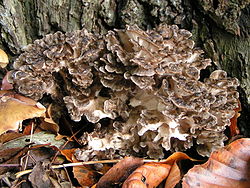
(3) Maitake mushroom extract

(4) Echinacea

(5) Astragalus root

(6) The yellow spice turmeric; and

(7) β-glucan derived from yeast.

All of these are popular supplements used by cancer patients. The MSKCC authors looked at the ability of these substances to induce immune reactions in laboratory mice.

The bottom line of the study was this:

Consistently significant activity was seen with four of the preparations:


(1) Coriolus mushroom extracts (especially PSK);

(2) Alcohol extract of astragalus;

(3) yeast β-glucan; and (to a lesser extent)

(4) Maitake mushrooms.

So three of the four best immune support supplements are in Dr Young's words, 'mould' or mould-derived. Take a look at bets-glucan on Wikipedia here.

Does that mean that Dr Young would advise against all of these proven anti-cancer supplements?